
March 16, 2026
Exploring the Blue Zones — where long life is simply… life.
This morning felt unusually still. Dreary skies, a quiet yard, and not a single cardinal announcing the day from the Leyland cypress outside my window. It’s as if nature itself hit the “pause” button, bracing for the winter flurries the forecast hinted at. And honestly, that quiet matched my mood — reflective, curious, ready to pick up where we left off on this Longevity Lifestyle journey.
Last week, I mentioned Kale Brock’s documentary and his deep dive into the world’s five Blue Zones — those rare pockets on Earth where people routinely live past 100, not by chasing longevity, but by living in a way that naturally produces it. No hype. No magic supplements. No “10‑step hacks.” Just culture, environment, and habits that quietly shape a long, meaningful life.
Researchers found three common threads across all Blue Zones:
• A shared culture of longevity — not forced, not trendy, simply woven into daily life.
• A population where many live beyond 100, still active, still contributing.
• A community where most people take 0–1 medications, even in old age.
And here’s the part that always makes people blink:
Longevity in these regions is 25% genetic and 75% environmental.
Meaning — the way we live, move, eat, connect, and think matters far more than the DNA we inherited.
So let’s begin our tour.
1. Okinawa, Japan — “The Land of the Immortals”
Kale stayed with a family in Okinawa, and what he found wasn’t a secret ritual or a superfood smoothie. It was a way of life so simple and so consistent that longevity becomes the natural by‑product.
🌿 Demographics & Health
• Men commonly live into their 81s, women into their late 87s, still active and engaged.
• 80% less heart disease than the U.S.
• 66% less dementia
• 75% less breast and prostate cancer
• Many carry the FOXO gene, associated with cellular repair and healthy aging — but remember, genes are only 25% of the story.
🍣 Food & Diet
Okinawans eat with intention, not restriction.
Their plates are filled with:
• Seaweeds and seafood rich in astaxanthin, a powerful antioxidant
• Sweet potatoes, greens, tofu, and vegetables grown in mineral‑rich soil
• Smaller portions guided by Hara Hachi Bu — “eat until you are 80% full”
It’s not a diet. It’s a rhythm.
🤝 Social Culture
• They form lifelong friend circles called “moai” — groups that support each other emotionally, socially, and sometimes financially.
• Young and old mix naturally; elders aren’t tucked away — they’re honored, included, and needed.
🎶 Lifestyle
• Karaoke isn’t a hobby — it’s a community glue.
• Daily movement is built into life: gardening, walking, stretching, dancing.
• Strong “senior support” networks ensure no one ages alone.
Okinawa teaches us that longevity isn’t about adding years to life — it’s about adding life to years.
2. Loma Linda, California — “The Faith‑Driven Blue Zone”
This community of Seventh‑day Adventists lives, on average, 7–10 years longer than other Americans. Their longevity is shaped by:
🌿 Demographics
• A tight‑knit faith‑based community; population is about 25,000 (at the time of the documentary)
• High rates of active aging and volunteerism
🍇 Food & Diet
• Mostly plant‑based/vegan
• Nuts, beans, whole grains, and water as the primary beverage
• Meals eaten slowly, often in community
🤝 Social Culture
• Weekly Sabbath rest which is from Friday sundown to Saturday sundown— a full 24‑hour reset
• Strong family bonds
• Service‑oriented living; they find reasons to come together in the community like soup kitchens
🚶 Lifestyle
• Daily walking
• Low stress
• Purposeful routines
• Avoidance of smoking and alcohol
Their secret? A lifestyle that protects the body by protecting the spirit.
3. Ikaria, Greece — “Where People Forget to Die”
This island is famous for its relaxed pace and joyful living.
🌿 Demographics
• One of the world’s highest percentages of people living past 90
• Extremely low dementia rates (50% less); 50% less depression and heart disease
🍅 Food & Diet
• Mediterranean style: olive oil, beans, wild greens, herbal teas
• Minimal processed foods; grow and eat seasonal, local, organic food
• Wine in the morning- enjoyed socially, not habitually
🤝 Social Culture
• Long meals with family
• Community dancing, festivals, and community gatherings
• A culture that refuses to rush; no clocks (Ikarian time is to wake up beyond 9am); act young
🌞 Lifestyle
• Natural movement through rocky terrain, hills and daily chores
• Afternoon naps; humble, purposeful and contented attitude towards life.
• Low stress, high laughter; they find joy in simple moments
Ikaria reminds us that joy is a longevity nutrient.
4. Sardinia, Italy — “The Island of Centenarian Men”
Sardinia is unique because men live as long as women — a rarity worldwide;24 out of 100,000 are aged over a 100
🌿 Demographics
• High concentration of male centenarians
• Strong family structures
🍞 Food & Diet
• Whole grains, goat’s milk, pecorino cheese(sheep);sourdough bread
• Beans, vegetables, and moderate wine
• Meat only on special occasions
🤝 Social Culture
• Deep respect for elders; people are spiritual and very religious
• Multi‑generational households
• Daily socializing
🐐 Lifestyle
• Shepherding traditions keep people walking hills well into old age
• Purposeful work, farmers and shepherds even in later years
Sardinia shows that purpose and movement are powerful medicine.
5. Nicoya, Costa Rica — “The Peninsula of Pure Life”
Nicoyans live by the phrase Pura Vida — pure life, simple life, grateful life.
🌿 Demographics
• Some of the world’s lowest middle‑age mortality rates;44 centenarians per 25,000 population
• Many live past 100 with minimal chronic disease
🌽 Food & Diet
• Corn tortillas, beans, squash — the “three sisters”
• Tropical fruits;eggs
• Hard water rich in calcium and magnesium
🤝 Social Culture
• Strong family ties and support;they live in proximity with family
• Community support; very religious
• Intergenerational living
🌤️ Lifestyle
• Outdoor living; people still work beyond age 80
• Daily physical activity
• A strong sense of purpose, especially among elders
Nicoya teaches us that simplicity is a superpower.
Takeaway on the Blue Zones
Across oceans, languages, and cultures, the same themes repeat:
• Move naturally
• Eat simply
• Stay socially connected
• Honor your elders
• Live with purpose
• Protect your peace
• Let joy be part of the routine
Longevity isn’t a race — it’s a rhythm.
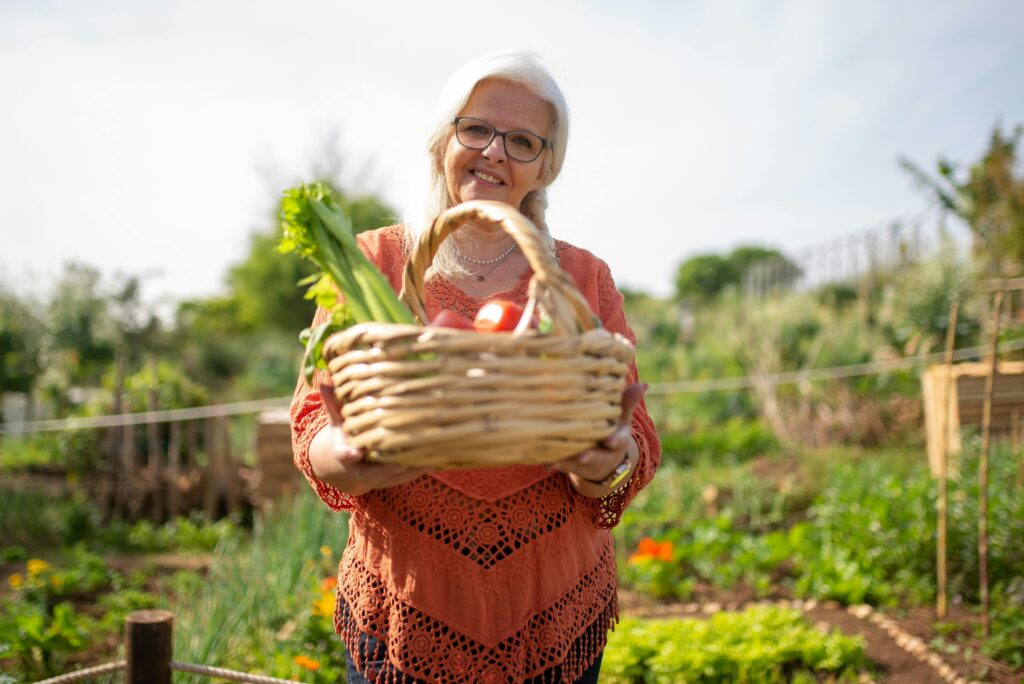
Just Like in Gardening…
A garden doesn’t thrive because you force it.
It thrives because you create the right conditions:
good soil, steady watering, sunlight, pruning, patience.
The Blue Zones are human gardens.
Their people flourish because their environment supports growth — slowly, steadily, season after season.
And just like a gardener, we can cultivate our own longevity plot:
one habit, one connection, one mindset shift at a time.
A Quiet Faith Insight
Longevity isn’t just about living long — it’s about living well.
There’s a quiet faith in that idea:
that each day is a gift,
that our bodies respond to how we treat them,
and that community, gratitude, and purpose are as nourishing as food.
In every Blue Zone, people live as if life is sacred — not in grand gestures, but in small, daily choices that honor the body, the spirit, and the people around them.
Maybe that’s the real secret:
a life lived gently, intentionally, and together.